

Views: 0 Author: Site Editor Publish Time: 2026-06-29 Origin: Site


Equipping a high-traffic fitness facility requires strategic hardware decisions. A minor equipment expense can quickly transform into a massive liability risk. Many products are heavily marketed as heavy-duty or gym-ready. Yet, they routinely fail under the continuous, rigorous strain of daily commercial use. Facility owners often face torn upholstery, wobbling metal frames, and serious potential member injuries. You cannot afford equipment failing during heavy lifts. We provide an objective, specification-driven framework for evaluation. You will learn exactly how to choose a safe, durable Commercial Weight Bench. This guide ensures your equipment handles extreme daily volume while minimizing ongoing replacement needs. You will discover the mechanical differences between static and dynamic loads. We highlight the exact steel thickness required for professional spaces. You will understand how minor ergonomic details impact lifter safety. Following these guidelines protects your business from costly lawsuits. It also keeps your members lifting safely every single day.
Steel Standard: True commercial benches require at least 11-gauge steel to withstand continuous dynamic loading without metal fatigue.
Mechanism Reliability: Ladder-style adjustments typically outlast pop-pin mechanisms in high-volume environments due to fewer moving internal parts.
Pad Gap Mitigation: High-end adjustable models minimize the hinge gap to provide continuous back support for heavy pressing.
Ergonomic Compliance: Look for benches adhering to the 17–17.5 inch height standard (IPF specs) to ensure proper foot drive and user safety.
Warranty Traps: A "lifetime" residential warranty is voided in a commercial setting; verify commercial warranty terms for structural frames and upholstery.
Many brands confuse buyers by mixing static and dynamic load limits. A static load rating simply measures how much dead weight a frame holds before bending. A 1,000 lb static rating looks impressive on paper. It does not guarantee safe performance under a 500 lb dynamic load. A lifter dropping heavy dumbbells creates sudden, massive force multipliers. We see consumer-grade frames buckle under these kinetic shifts.
Using prosumer or home-grade equipment in a commercial facility is dangerous. It heavily exposes your business to injury liability. Residential warranties instantly void once placed in a professional setting. You must define "heavy daily gym use" accurately. We consider this to mean 10 or more hours of continuous user cycles daily. Various members will shift, drop, and rack heavy weights constantly. You need a dedicated Weight Bench built specifically for this volume.
Consider the difference in user demographics. A home gym serves one or two people. A professional space serves hundreds daily. Users range from 100-pound beginners to 300-pound powerlifters. They all interact with the equipment differently. Beginners might drop weights clumsily. Powerlifters apply massive torque during leg drive setups. The frame must absorb all these varying force vectors safely. We see cheap frames shear at the main joint after just six months. You must treat frame selection as structural engineering.
Metal fatigue happens slowly. A home unit might survive one heavy lifter per day. However, place it in a high-traffic space, and the metal stresses multiply rapidly. Bolts begin shearing off. Welds develop micro-cracks. You must understand the working load limit. We always demand dynamic testing data from manufacturers. This ensures the frame withstands the chaotic forces of real-world training environments.
| Metric | Definition | Real-World Implication | Commercial Standard |
|---|---|---|---|
| Static Load | Maximum dead weight the frame holds at rest. | Misleading for real gym use. | 1,000+ lbs |
| Dynamic Load | Force applied by moving weight and lifter shifts. | Crucial for safety during heavy presses. | 500+ lbs dynamic |
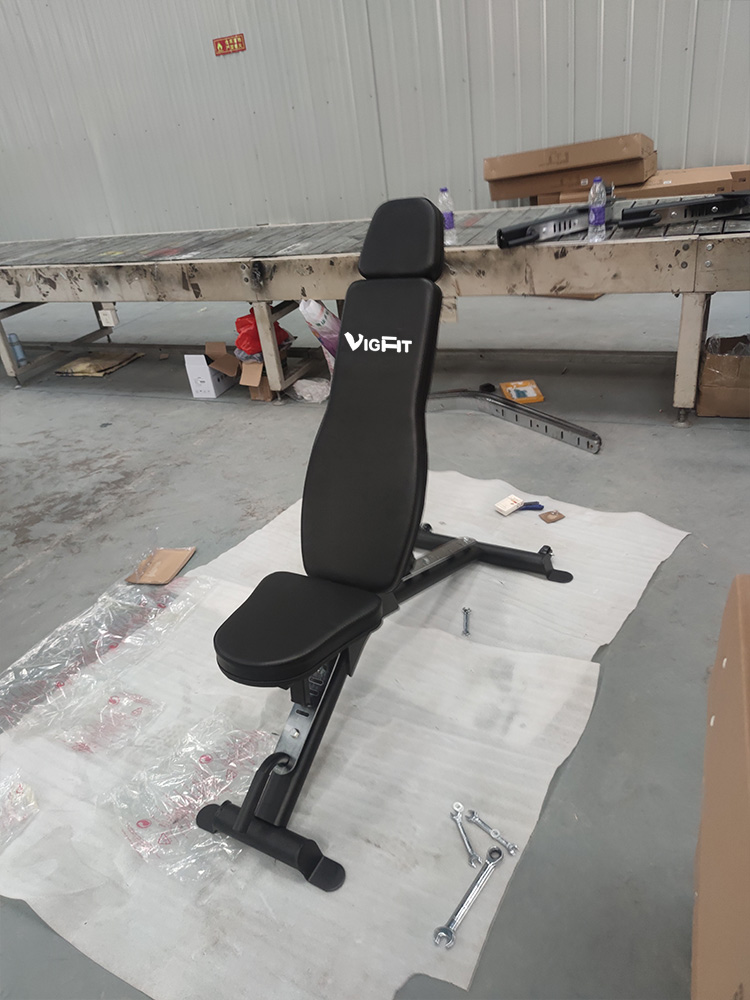
Different zones in your facility require specific equipment profiles. You must allocate resources intelligently based on member needs.
Powerlifting zones and dedicated rack stations demand extreme stability. The flat bench shines in these specific use cases. It has zero moving parts. This provides maximum rigidity during maximal effort lifts. Lifters appreciate the complete lack of a pad gap. It supports the entire spine seamlessly. Users can bridge up onto their traps without feeling unsteady.
Dumbbell pullovers, heavy triceps extensions, and Bulgarian split squats all rely on bench stability. The flat bench excels because the energy transfers directly into the floor. There is zero energy lost through loose hinges. Members pushing personal records require this absolute baseline stability.
Functional training areas and smaller footprint studios benefit from versatility. An FID bench serves multiple exercise angles perfectly. However, this versatility introduces inherent risk factors. Moving hinges and locking pins represent mechanical failure points. You must rigorously vet the internal locking mechanisms. They must endure thousands of daily adjustments. Users will drop weights while seated at steep inclines. The backrest must not collapse under this sudden force.
Adjustable benches unlock a massive library of exercises. Seated shoulder presses, incline dumbbell curls, and chest-supported rows require angle adjustments. The complexity of the hinge dictates the durability. A poorly designed hinge will wobble laterally. Lateral wobble destroys lifter confidence instantly. You must ensure the adjustment hardware locks tight.
You must balance versatility against durability. We recommend a 60/40 ratio of adjustable to flat units for general commercial spaces. Dedicated strength facilities often reverse this ratio. You want fewer moving parts wherever possible. Analyze your membership demographic closely. Powerlifters need flat frames. Bodybuilders demand versatile inclines. Adjust your floor plan accordingly.
Steel gauge works on an inverse scale. Lower numbers indicate thicker, stronger metal. The minimum viable specification is 11-gauge tubular steel. Look for 3x3 inch or 2x3 inch box steel framing. Thinner metals like 14-gauge simply warp over time. Weld quality is equally critical. You should demand continuous robotic welds rather than cheap spot welding. Robotic welds ensure uniform strength across every joint. They eliminate human error during the manufacturing process.
Base design also dictates user experience. Manufacturers use either 3-post or 4-post base designs. A 3-post design removes the front support legs. This allows much better foot placement for the lifter. It eliminates tripping hazards during heavy dumbbell kick-ups. We prefer 3-post designs for almost all pressing movements. They grant users ultimate stance flexibility.
Moving parts break first. Ladder-style adjustments represent the gold standard for high-volume environments. They use enclosed or laser-cut steel ladders. These offer highly secure, highly visible locking positions. They boast incredible wear resistance. Users simply drop the support arm into a solid steel notch. Gravity keeps it locked safely.
Pop-pin or pull-pin systems carry significant risks. They are highly prone to internal spring failure. Threading wear happens quickly in busy settings. You should only accept pull-pins if they utilize hardened steel components. Even then, ladder designs remain vastly superior. We see far fewer maintenance tickets regarding ladder systems.
Gym owners often overlook foam density. You need high-density, closed-cell rebond foam. This specific material resists permanent compression. It springs back immediately after a 300 lb lifter finishes pressing. Cheap open-cell foam flattens out entirely within months.
Sweat degradation is a major issue. Inferior vinyl becomes brittle and cracks when exposed to salty sweat and strong cleaning chemicals. Once the cover cracks, sweat seeps into the foam underneath. This creates a severe hygiene hazard. Bacteria thrive inside damp, dark foam. It produces foul odors on the gym floor. You must demand heavy-duty, marine-grade gym vinyl. The backing board must use thick plywood, not cheap particleboard.
The hinge gap on adjustable models is a vital metric. Evaluate exactly how the manufacturer designs the space between the seat and back pad. A flat position requires continuous support. Minimal or "zero gap" designs are absolutely critical. They ensure user comfort and lower back safety. Lifters should never feel a gap across their lumbar spine.
Key benefits of pad gap mitigation include:
Prevents lower back pinching during heavy dumbbell press exercises.
Allows users to find optimal shoulder blade positioning easily.
Increases overall frame stability by locking pads closely together.
Enhances lifter confidence when handling maximal weights.
Facility equipment must accommodate varying body types safely. Dimensions play a massive role in injury prevention.
The International Powerlifting Federation (IPF) establishes clear dimensional rules. The floor-to-pad height should measure between 17 and 17.5 inches. This standardized height is incredibly important. It ensures proper leg drive during heavy pressing movements. Equipment sitting too high forces lifters onto their toes. This drastically increases lower back strain. Benches sitting too low restrict hip drive completely.
Leg drive mechanics require a firm foot plant. If the pad is 19 inches high, shorter users cannot place their heels flat. They lose power generation entirely. This forces the shoulders and triceps to overcompensate. It frequently leads to acute shoulder injuries. The IPF standard prevents this mechanical breakdown. It accommodates the widest range of human anthropometry safely.
We see two distinct pad width categories in the market today.
Standard Width (11.5–12 inches): This width fits general populations perfectly. It allows maximum shoulder blade mobility during pressing. Users can retract their scapula fully without hitting the pad edge.
Fat Pad/Wide Pad (14+ inches): Heavy lifters often prefer wider surfaces. It increases shoulder stability significantly under massive loads. However, it is slightly less versatile for smaller users. It can impede downward elbow travel for some people.
Look closely at the seat cushion shape. Adjustable units need tapered front seats. A narrow front edge prevents uncomfortable thigh chafing. Users can perform seated incline movements without wide-stance interference. A squared-off front seat digs into the hamstrings painfully.
Consider the seated dumbbell overhead press. A wide front seat forces the knees outward into an unnatural, wide stance. This strains the hip flexors unnecessarily. A beautifully tapered seat allows the legs to drop naturally to the floor. Always select ergonomically contoured seating for member comfort.
Deploying new equipment involves logistical planning. You must consider how units move and age inside your space.
Members constantly move equipment across the gym floor. Units in high-traffic areas require excellent maneuverability. Demand knurled steel handles for a secure grip. Transport wheels must use durable urethane materials. Cheap plastic wheels quickly crack and scuff expensive gym flooring. Urethane glides smoothly over rubber and turf alike. You want heavy frames moving effortlessly.
Space is a premium asset in boutique studios. Evaluate models designed for safe vertical storage. They must stand upright without dangerous tipping risks. A wide, weighted base plate ensures upright stability. This frees up valuable floor space for group classes. Cleaners can also mop underneath them easily. Proper storage protects the vinyl from accidental tears.
Upholstery is invariably the first component to fail. Evaluate the long-term maintenance needs closely. Check the availability of direct replacement pads from the manufacturer. You should budget for periodic vinyl replacements. Easy-to-clean, seamless covers reduce sweat accumulation. This keeps maintenance tasks predictable.
We highly advise selecting a Commercial Weight Bench vendor providing fast replacement shipments. Wipe down frames daily to prevent rust. Sweat contains salt. Salt aggressively destroys powder-coated metal over time. Implementing strict cleaning protocols extends equipment life significantly.
| Component | Action Required | Signs of Wear |
|---|---|---|
| Vinyl Upholstery | Wipe down surfaces completely. | Cracking along seams, loss of grip texture. |
| Frame Hardware | Check and tighten main assembly bolts. | Lateral wobbling during load changes. |
| Moving Hinges | Inspect ladder tracks and pin threading. | Sticking adjustments, metal shavings on floor. |
| Transport Wheels | Clear debris from wheel axles. | Dragging across rubber flooring, squeaking. |
Use a structured framework to finalize your hardware choices. Do not rely on marketing brochures alone.
Step 1: Audit the Use Case. Determine exactly where the unit will live. Are these for the heavy free-weight zone or a boutique class setting? Different zones demand different features. We often see owners place delicate, highly adjustable units in heavy powerlifting zones. They break within weeks. Match the toughness of the unit to the aggressiveness of the zone.
Step 2: Filter by Non-Negotiables. Discard any option lacking 11-gauge steel. Ensure it meets IPF height standards. Demand appropriate warranty coverage. Keep a strict checklist. If a vendor hides their steel gauge specifications, walk away immediately. Do not compromise on base safety metrics.
Step 3: Evaluate Vendor Credibility. Check long-term parts availability. The warranty must explicitly cover high-volume, multi-user environments. Call their service department before buying. Ask them how fast they ship replacement pads. Speak with other gym owners about the brand's customer service speed.
Step 4: Pilot Testing. Never buy blind for bulk orders. Purchase a single unit first. Test its stability rigorously. Invite your strongest members to test the pilot unit. Ask them to perform heavy step-ups and lateral jumps onto the pad. Gather real user feedback before outfitting the entire facility floor. Lifters will tell you immediately if a pad feels wrong.
Selecting gym equipment is primarily an exercise in risk mitigation. It directly impacts user retention and safety. It goes far beyond simple budget management. Sturdy, reliable frames build trust with your membership base. They prevent catastrophic failures during critical heavy lifts. Focus on steel gauge, pad gap, and proven adjustment mechanisms. You want hardware operating silently in the background. A quality frame supports your lifters safely through thousands of repetitions.
Next Step Action: Instruct your purchasing team to demand hardware specification sheets. Always request explicit commercial warranty terms from vendors before issuing purchase orders. Verify every metal thickness and foam density metric directly. Ensure your supplier guarantees fast shipping on replacement wear parts.
A: A "zero gap" unit is an adjustable bench engineered to eliminate the empty space between the seat and back pad. When laid completely flat, it functions like a single continuous pad. This design prevents lower back sagging and pinching during heavy horizontal pressing. It provides optimal spinal support for maximal lifting.
A: Steel gauge uses an inverse scale. Lower numbers mean much thicker steel. Industry standards dictate 11-gauge steel for professional environments. It prevents structural warping and metal fatigue under constant, heavy daily use. Thinner metals, like 14-gauge, will eventually bend under intense dynamic loads and repeated dropping of weights.
A: Yes, provided it is a true working load limit. Manufacturers often advertise static capacity, which is just resting weight. A legitimate 1,000 lb dynamic rating ensures the frame can safely handle the kinetic force of a heavy lifter shifting and dropping weights repeatedly.
A: No. Using non-commercial equipment in a professional setting creates massive legal liability. If a residential frame collapses under a member, you are directly responsible. Furthermore, manufacturers instantly void residential warranties once the product enters a commercial facility. Always invest in proper commercial-grade frames.


